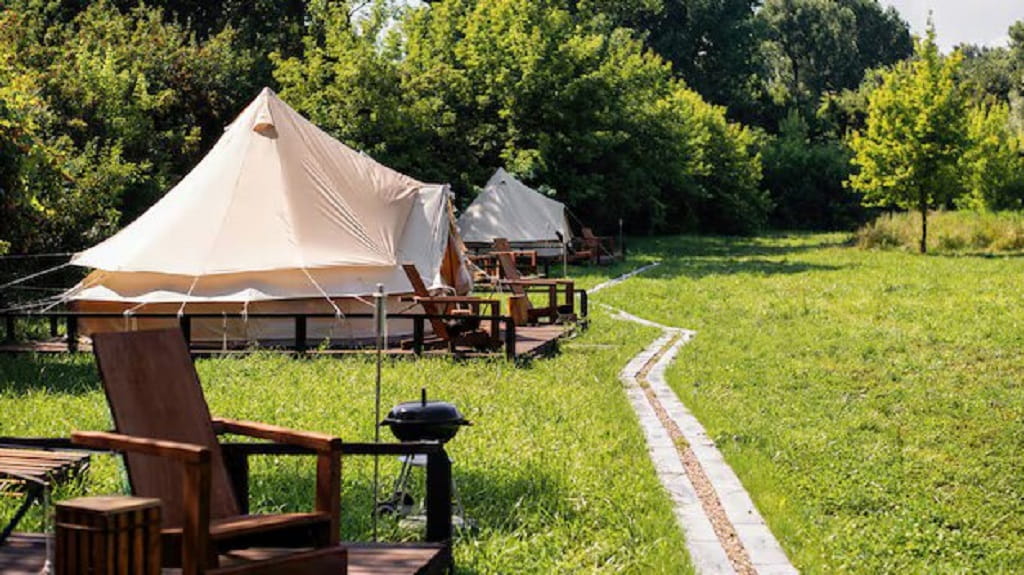
There’s something about falling asleep with the sound of waves that no mountain campsite can really replicate. I’ve tried both. And honestly ? The sea wins, almost every time. The smell of salt in your sleeping bag, the sunrise over the water before anyone else is awake – it’s a different kind of camping. Rawer, maybe. More alive.
But finding a genuinely good coastal camping spot isn’t as simple as just pointing at a map and showing up. Some “sea view” campsites are actually a 20-minute walk from the actual coast. Others are stunning but completely overrun by mid-July. If you’re also thinking about combining your trip with a boat excursion or coastal navigation activity, it’s worth checking out what local operators offer – sites like emeraude-navigation.com are a good example of what you can find along certain stretches of the French coast. So if you’re planning a seaside camping trip this summer, this guide is here to help you actually choose well – not just dream about it.
Why Coastal Camping Hits Different
Let me be straight with you : coastal camping isn’t always comfortable. Wind can be brutal. Sand gets into everything. Temperatures can drop weirdly fast once the sun goes down, even in August. But that’s kind of the point, isn’t it ?
What you get in return is access to a version of the coast that most tourists never see. Early mornings on an empty beach. Watching the tide come in from your tent door. That specific quietness that happens around 6am when the sea is flat and the light is doing something extraordinary. If you’re even slightly into nature, it’s hard to top.
The Jurassic Coast, Dorset – A Classic for a Reason
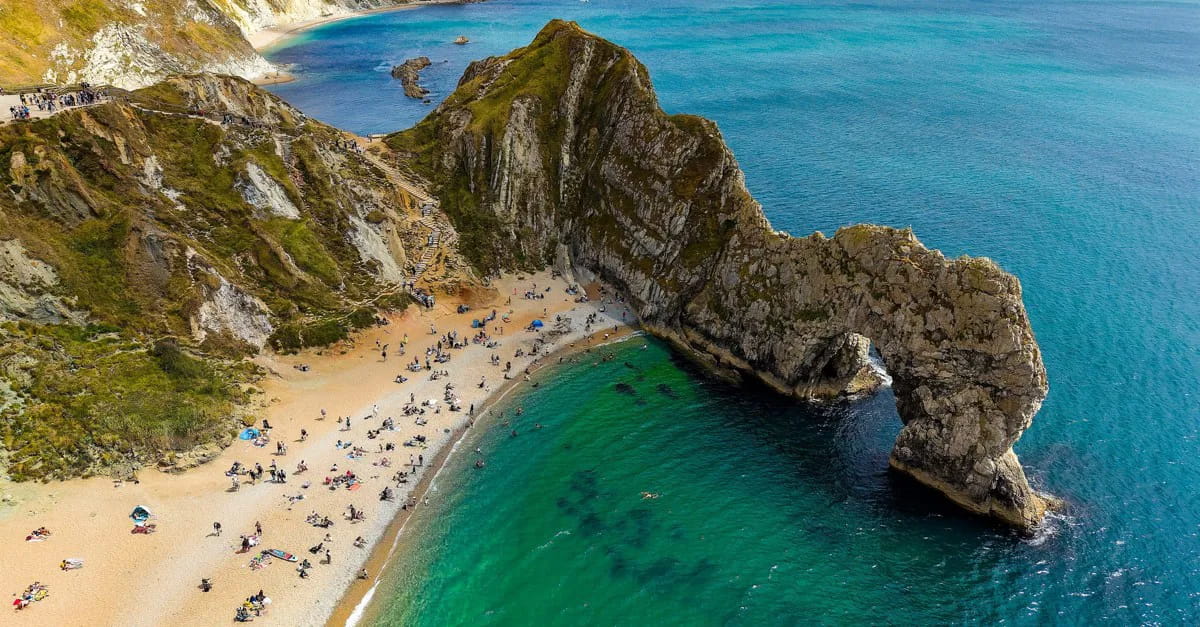
Dorset keeps coming up in any serious conversation about coastal camping in England, and it’s not hype. The Jurassic Coast stretches around 95 miles of UNESCO World Heritage coastline, with dramatic cliffs, hidden coves, and some genuinely wild sections that feel worlds away from the nearest town.
There are several well-positioned campsites near spots like Lulworth Cove and Kimmeridge Bay. Eweleaze Farm, open only in summer, is one of those rare places that actually sits right above the sea – no exaggeration, no misleading description. You pitch your tent on clifftop grass and that’s it. The view is yours. Expect to book early though, this place fills up fast and for obvious reasons.
What surprised me the first time I went : how geological the whole area feels. You’re walking on fossils. Literally. Kids love it, but honestly so do adults who pretend they’re not that interested.
Northumberland – Underrated and Uncrowded
If Dorset is the obvious answer, Northumberland is the one that serious coastal campers talk about among themselves. The beaches up here – Bamburgh, Beadnell Bay, Seahouses – are spectacular and often near-empty, even in summer. Which is almost hard to believe given the quality.
Bamburgh Castle sitting above the beach on a clear evening is one of those views you don’t forget quickly. And the area around the Farne Islands is brilliant if you’re into wildlife – grey seals everywhere, puffins in season. You can take boat trips out to the islands from Seahouses.
It’s colder than the south, let’s be honest. Pack an extra layer even in July. But maybe that’s what keeps it beautiful.
The Gower Peninsula, Wales – Compact and Seriously Impressive
The Gower was the first place in the UK to be designated an Area of Outstanding Natural Beauty, back in 1956. And it still earns that title. Rhossili Bay regularly appears in lists of the best beaches in Europe – not just the UK – and the camping options around the peninsula range from basic and wild-feeling to more organised family sites.
Three Cliffs Bay is the kind of place that makes people stop mid-sentence when they see it for the first time. The combination of cliff arches, tidal river, and open beach is genuinely unusual. There’s a campsite at Nicholaston Farm with views toward the bay that, on a clear day, are borderline absurd.
Worth noting : parking on the Gower in peak summer is a genuine nightmare. If you’re arriving by car on a weekend in August, go early or you’ll spend an hour looking for a space. You’ve been warned.
Cornwall – Still Worth It Despite the Crowds
Yes, Cornwall is busy in summer. Yes, parts of it feel a bit overrun. But it’s popular because it’s actually extraordinary, and there are still ways to experience it without the worst of the crowds.
The Lizard Peninsula tends to get less traffic than Newquay or St Ives, and the coastline down there is dramatic – craggy, rugged, genuinely wild in places. Kynance Cove is one of the most photographed spots in Cornwall and, okay, the photos don’t lie. Turquoise water, white sand, striking rock formations. In the right light it looks almost Mediterranean.
Camping in west Cornwall also gives you access to some excellent sea kayaking, paddleboarding and coastal trail routes. If you’re the kind of person who doesn’t like sitting still, this part of the country gives you plenty to do.
Scotland – For Those Who Want Real Wild Coastal Camping
Scotland is on another level if you’re willing to go for it. Under the Land Reform (Scotland) Act 2003, you have the legal right to camp on most unenclosed land – which means coastal wild camping in a way that simply isn’t possible most places in England or Wales.
The northwest Highlands coastline – around Sutherland, Torridon, Applecross – is remote, sometimes challenging to reach, and genuinely breathtaking. White sand beaches that look Caribbean but with water that is emphatically not. The light in summer up here lasts until almost midnight, which changes the whole rhythm of the day. You eat late, walk late, sit by the water late. It’s odd and wonderful.
Be realistic about the midges though. Between May and September, especially near water, midges can be a serious issue in Scotland. A midge net and repellent aren’t optional, they’re basic kit.
What to Actually Check Before You Book
A few things that experienced coastal campers always check that beginners sometimes skip :
Wind exposure. Clifftop sites are stunning but can be genuinely brutal in strong wind. Check the orientation of the site and look at historical weather patterns for the area in the month you’re going.
Tide times. If you’re camping close to the beach, know when high tide is. Some camping spots near beaches can be affected more than you’d expect.
Facilities vs. experience trade-off. More remote sites with better access to wild coastline usually mean fewer facilities. If you need hot showers every morning, that’s fine – just choose accordingly and don’t complain that the amazing clifftop spot only had a composting toilet.
Booking windows. The best coastal sites in the UK book out months in advance. Particularly in Cornwall, Dorset and Pembrokeshire. If you’re flexible on dates, you’ll have more options. If you’re not, book early or have a backup plan.
A Few Honest Final Thoughts
Coastal camping in the UK is some of the best camping you can do – but it rewards people who plan properly and go in with realistic expectations about weather, crowds and comfort. The spots listed here are genuinely worth your time. Some are well-known, some less so, but all of them offer something you won’t get from an inland site.
The sea has a way of making everything feel a bit more significant. Even just a weekend on the coast, properly done, can reset something in you. Maybe that sounds dramatic. But I think most people who’ve done it know what I mean.
Pack the windproof jacket. Go early in the morning. Find a spot on the coast before anyone else gets there. That’s it, really.